
Have you ever experienced a clicking sound while chewing or pain in your jaw that seems to radiate toward your ears? If yes, you might have encountered a temporomandibular joint (TMJ) disorder. The TMJ acts as a sliding hinge, connecting your jawbone to your skull. Dysfunction in this area can lead to pain and discomfort, which can be acute or chronic.
Common Causes of TMJ Disorders
Understanding what leads to TMJ disorders can help in addressing the root causes effectively. Here are some prominent reasons:
-
Damage to the Jaw Area: Any injury caused by a heavy blow or other impacts can lead to TMJ disorders.
-
Arthritis: Osteoarthritis and rheumatoid arthritis in the TMJ can degrade the cartilage, which aids in the smooth movement of the jaw joints.
-
Bite Misalignment: Misalignment of teeth or jaw can place pressure on the TMJ, causing stress and discomfort.
-
Excessive Gum Chewing: Habitual gum chewing can strain the joint, leading to wear and tear.
-
Stress: Emotional or physical stress can cause tightening of the facial and jaw muscles or lead to teeth grinding, known as bruxism, heavily impacting the TMJ.
Symptoms to Watch For
Identifying TMJ disorders early can greatly enhance the effectiveness of treatment efforts. The most common symptoms include:
-
Jaw pain or tenderness
-
A clicking or popping sound when opening or closing the mouth
-
Difficulty chewing or pain while chewing
-
Locking of the joint, making it difficult to open or close your mouth
-
Swelling on the side of your face
-
Headaches and earaches
Diagnosing TMJ Disorders
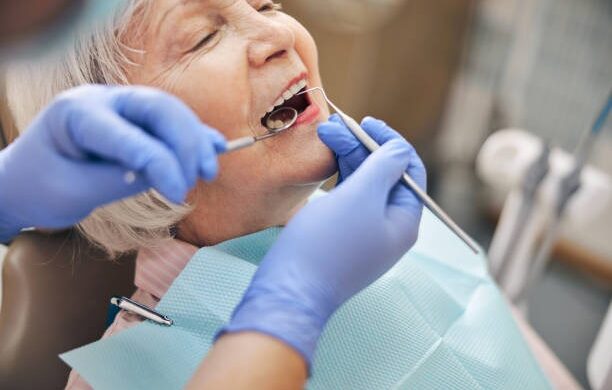
Diagnosis of TMJ disorders typically involves a dental or medical professional examining your jaw and discussing your symptoms. They might also press on areas around your jaw to identify sites of pain or discomfort and listen for clicks, pops, or grating sounds during jaw movement.
Imaging Tests
In some cases, further diagnosis might require imaging tests such as:
-
X-rays
-
Computed tomography (CT) scans to view the bone’s detail
-
Magnetic resonance imaging (MRI) scans to evaluate the soft tissues
Effective Management Strategies for TMJ Disorders
Management strategies for TMJ disorders range from simple self-care practices and medications to more complex surgical interventions. Here’s a rundown of the most effective tactics:
1. Self-Care Practices
Self-care practices form the first line of defense against TMJ pain.
-
Eat soft foods and avoid chewing gum.
-
Use ice packs to reduce inflammation.
-
Practice stress-reduction techniques like yoga and meditation.
-
Utilize jaw exercises to strengthen the muscles and improve flexibility.
2. Medications and Non-Invasive Treatments
For more severe cases, the following treatments may be recommended:
-
Pain relievers and anti-inflammatories to ease symptoms.
-
Muscle relaxants to help alleviate muscle spasms.
-
Oral splints or mouth guards are used to decrease teeth clenching or grinding.
3. Physical Therapy
Working with a physical therapist can help improve the range of motion and strengthen the muscles of the jaw.
When is Surgery Needed?
In situations where conservative treatments fail, surgical options may be considered, such as:
-
Arthrocentesis
-
TMJ arthroscopy
-
Open-joint surgery in more severe cases.
Choosing the Right Care Provider
Choosing the appropriate healthcare provider is an important step in treating TMJ disorders effectively. A multidisciplinary approach involving dentists, ENT specialists, physiotherapists, and even psychologists might be needed depending on the complexity of the disorder.
For initial assessments and general therapies, visiting experts like the best dentist in Central Park might be your first step. Their expertise in oral structures combined with access to advanced diagnostic tools can provide a thorough evaluation and treatment path tailored to your condition.
Prevention Better Than Cure
If you are looking to protect your jaw and maintain optimal oral health, embracing preventative dentistry Central Park could be beneficial. Regular dental checkups and addressing any minor oral health issues before they escalate can significantly help in preventing TMJ disorders.
Alternative Therapies and Support
Besides conventional treatments, alternative therapies such as acupuncture and biofeedback may offer relief for some individuals. Additionally, support groups and counseling can be crucial in managing the emotional challenges brought on by chronic TMJ disorders.
If your symptoms become too difficult to manage with basic interventions, seeking specialized Central Park TMJ treatment could offer targeted therapies and advanced care specifically crafted for TMJ disorders. These might include more comprehensive management plans integrating both medical and surgical treatments.
Lifestyle Modifications for TMJ Health
Adjusting your daily habits and lifestyle can play a significant role in managing and potentially alleviating TMJ disorder symptoms. These modifications not only enhance the effectiveness of treatments but can also prevent the worsening of the condition. Here are some beneficial changes to consider:
-
Mindful Eating Habits: Opt for softer foods that require less chewing effort and refrain from biting into hard or overly chewy foods like apples, steak, or caramel, which can exacerbate TMJ pain. Avoid habits that could strain the TMJ, such as biting nails, chewing on pens, or making any extensive jaw movements.
-
Jaw Rest: Limit activities that require prolonged mouth opening, such as wide yawning, loud singing, and extended dental treatments. Informing your dentist about your TMJ disorder can help them adjust the treatment procedures accordingly.
-
Proper Posture: Maintain good neck and head posture, especially if working long hours at a computer. Poor posture can contribute to neck strain and subsequently affect the TMJ. Consider ergonomic adjustments in your workspace.
-
Heat and Cold Therapy: Apply moist heat to improve blood circulation and reduce joint stiffness, or use cold packs to decrease inflammation and numb pain temporarily.
-
Smoking Cessation: Smoking can exacerbate pain and inflammation. Quitting smoking is not only beneficial for TMJ disorders but also improves overall health.
Final Thoughts
Dealing with TMJ disorders can be challenging, but with the right information and support, managing the condition is entirely possible. Whether through simple lifestyle adjustments, medical treatments, or a combination of these strategies, relief from TMJ disorders can greatly improve the quality of life. Remember, early diagnosis and treatment are key to preventing more severe complications, so regular consultations with healthcare providers are essential.