
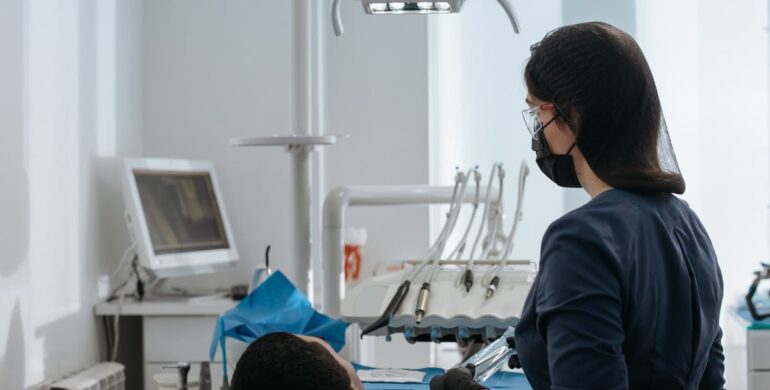
Cosmetic dentistry is a dental field that focuses on improving the aesthetic appearance of your smile. It involves different procedures to make your smile look more attractive. While cosmetic dentistry is mostly focused on the appearance of your smile, it can still positively impact your oral health.
Cosmetic Dentistry Vs. General Dentistry
Cosmetic dentistry is often confused with general dentistry. While they both focus on improving your oral health, the primary difference lies in their objectives: General dentistry focuses on preventive care, diagnostics, and treatment of dental diseases, while cosmetic dentistry focuses on the aesthetic improvement of teeth.
Some of the most common treatments in general dentistry include:
- Checkups and cleanings
- Fillings and extractions
- Root canals
- Gum disease treatments
Whether you need cosmetic or general dentistry, you should look for a reputable clinic, such as https://essenmacherdental.com/. Their dentists should be experienced and the facility is clean and equipped with the latest technology.
Common Procedures in Cosmetic Dentistry
Below are some of the most popular treatments in cosmetic dentistry that you can consider according to your needs:
- Teeth whitening. Teeth whitening is one of the most commonly requested treatments in cosmetic dentistry. It can help eliminate discoloration and yellowing on your teeth, leading to a brighter and whiter smile.
- Veneers. Veneers are thin shells placed over teeth to give them a more uniform shape and color. They can also cover chips, cracks, and other imperfections.
- Bonding. Bonding uses composite resin to fill in gaps or cover chips or stains on your teeth. The procedure is quick and painless and can produce an instantly brighter smile.
- Crowns and bridges. Crowns are placed on weakened teeth for strength and protection, while bridges are used to replace missing teeth by filling the gap with false teeth.
- Dental implants. While they are also considered restorative dentistry, dental implants are popular among those looking for long-term solutions to missing teeth. They replace missing teeth with artificial roots and false teeth that look like natural ones. When considering this treatment, make sure to look for the best place to get dental implants. The clinic should have a dentist with years of experience in performing this procedure.
- Inlays and onlays. Inlays and onlays are used to repair tooth decay that is too extensive for a conventional filling. They are made of composite resin, porcelain, or gold and are bonded over the affected teeth. You may visit cosmetic dentistry in Albuquerque to learn more about cosmetic dentistry.
How Does Cosmetic Dentistry Positively Affect Your Oral Health?
- It prevents tooth decay. It can be difficult to brush your teeth if there are gaps or they’re crooked. Improving the shape and alignment of your teeth through dental bridges or crowns makes it easier for you to brush and floss properly, preventing cavities and tooth decay.
- It reduces the risk of gum disease. Crooked or misaligned teeth can cause food particles to get stuck in hard-to-reach areas. This can cause an increased risk of gum disease. Cosmetic dentistry procedures like dental bridges or crowns can help improve your teeth’s alignment to reduce this risk.
- It encourages jaw bone health. Missing teeth can lead to jaw bone deterioration due to lack of stimulation from the tooth roots. Dental implants are an excellent method to restore missing teeth and protect your jawbone.
- It helps preserve the remaining healthy teeth. Tooth decay and gum disease can require the extractions of healthy teeth. Cosmetic dentistry procedures like bonding or veneers can help prevent tooth decay and preserve your remaining healthy teeth.
The Bottom Line
Cosmetic dentistry has come a long way throughout the years and offers countless opportunities for people to improve their smiles. While it may be seen as more of an aesthetic procedure, it can still positively affect oral health if done correctly. If you are considering cosmetic dentistry, make sure to consult with your dentist first to discuss which treatments are most suitable for you and your needs.